


SEO for beauty salons works best when it helps a potential client find the right treatment, understand the experience and book with confidence. Someone searching for a nail salon, facial, hair appointment or aesthetic treatment may be comparing several local businesses on a phone. They want more than a ranking: they want to know what is available, where it is, what it costs or involves and how quickly they can arrange a visit.
This guide focuses on the local booking journey for salons, clinics and wellness businesses. It supports the wider Beauty & Wellness SEO strategy and complements the broader industry guidance rather than replacing it. The aim is to connect search visibility with suitable appointments, not to fill pages with treatment names.
Start with the treatment people actually want
Beauty searches are often specific. A person may search for a gel manicure, deep tissue massage, laser hair removal, a skin consultation or a private aesthetic clinic. A homepage that simply says “beauty, wellness and more” cannot answer all of those needs.
Begin by listing the treatments and services the business genuinely offers. Group them into sensible categories, such as nails, hair, facials, massage, aesthetics or wellness consultations. Then identify which services deserve their own page because they have a distinct customer question, booking process or treatment expectation.
Do not create a page for every minor variation if the content would be almost identical. A strong facial page can explain the available options and help a client choose. A separate page may be useful when a treatment has different preparation, suitability, downtime or consultation requirements.
Make the local booking information obvious
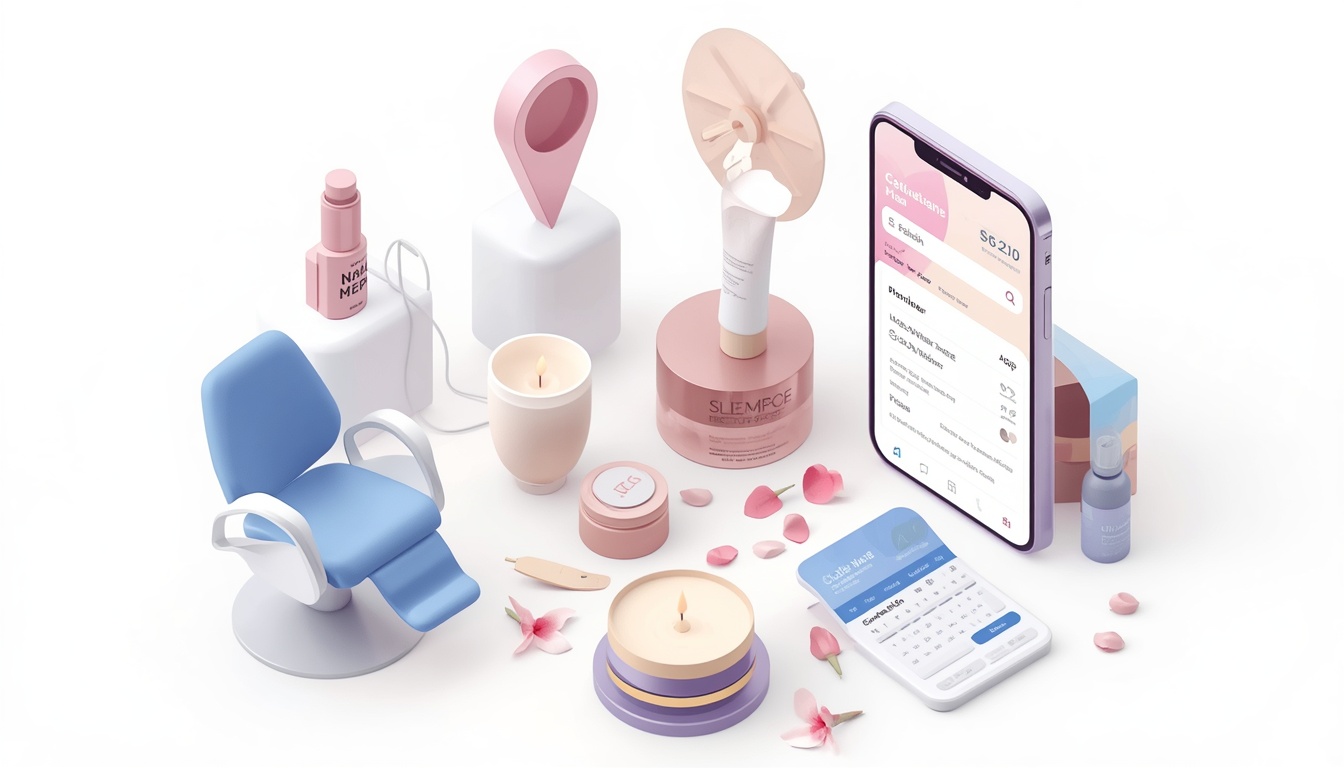
Local visibility only becomes useful when the visitor can act on it. Show the salon or clinic location, opening hours, contact method, booking link and any appointment restrictions clearly. Mobile visitors should not need to search through several menus before finding the booking route.
Include practical details that reduce uncertainty. Explain whether the business is appointment-only, whether consultations are required, whether deposits apply and how cancellations are handled. If the business has more than one location, make the differences clear instead of sending every visitor to a generic contact page.
Check that the booking system works on a phone and does not hide the service name after the first click. A visitor who searches for a specific treatment should arrive at a relevant booking option, not a blank calendar that requires them to start again.
A service menu should help both search engines and people understand the offer. Use the language clients actually use, while keeping professional terminology where it is important. GSC data for the Beauty & Wellness section includes strong interest in SEO for beauty salons, nail salon SEO, beauty salon SEO, SEO for beauty clinics and SEO for nail salons.
Those phrases describe different business types and needs. A nail salon may need pages for manicure, extensions and nail art. A private clinic may need more careful treatment information, consultation guidance and suitability notes. A wellness business may need to explain sessions, practitioners, packages and what a first visit involves.
Use related words naturally in headings, copy, image alts and internal links. Do not turn the service menu into a block of repeated phrases. The page should sound like the business speaks to its clients, not like a list assembled for a crawler.

Give treatment pages the information clients need
A treatment page should answer the questions that arise before booking. Depending on the service, this may include who it is suitable for, how long it takes, preparation, aftercare, frequency, expected experience, price guidance and when a consultation is needed.
Aesthetic and clinic content needs particular care. Do not promise a specific result or imply that a treatment is suitable for everyone. Explain that an assessment may be needed and direct the visitor to a qualified practitioner when personal advice is required.
For salons and wellness businesses, sensory and practical details can be valuable. Explain the setting, accessibility, what to bring, whether the treatment is private and what happens during the appointment. These details can turn a vague search visit into a confident booking.
Keep the information current when products, practitioners, prices or treatment protocols change. An out-of-date service page can create confusion at reception and damage trust.
Use Google Business Profile as a local shop window
The Google Business Profile should match the website. Check the name, address, telephone number, opening hours, booking link, categories, services and photos. Update holiday hours and temporary changes before clients rely on them.
Choose categories that describe the real business. A salon, aesthetic clinic, nail salon and wellness centre may require different primary categories. Do not add unrelated categories just because they appear to have search demand.
Use genuine images of the space, team, treatment rooms and work where appropriate. Avoid showing client details or before-and-after images without clear permission. A real image of the environment can help a new client decide whether the experience feels suitable.
For profile management, follow Google’s official Business Profile guidance. The profile should support the booking journey rather than make promises the business cannot deliver.

Let reviews describe the experience
Reviews can help a potential client understand what it feels like to visit the business. They may mention punctuality, consultation quality, atmosphere, cleanliness, communication or how comfortable they felt during a treatment.
Ask for honest feedback after a genuine appointment, not a scripted five-star statement. A simple follow-up message with a direct review link is usually enough. Do not pressure a client to disclose a medical or personal detail in public, particularly when the business provides aesthetic or clinic services.
Respond professionally and protect privacy. Thank the reviewer without confirming sensitive information. If someone raises a concern, invite them to continue the conversation privately rather than debating a treatment in public.
Make content feel local without copying towns
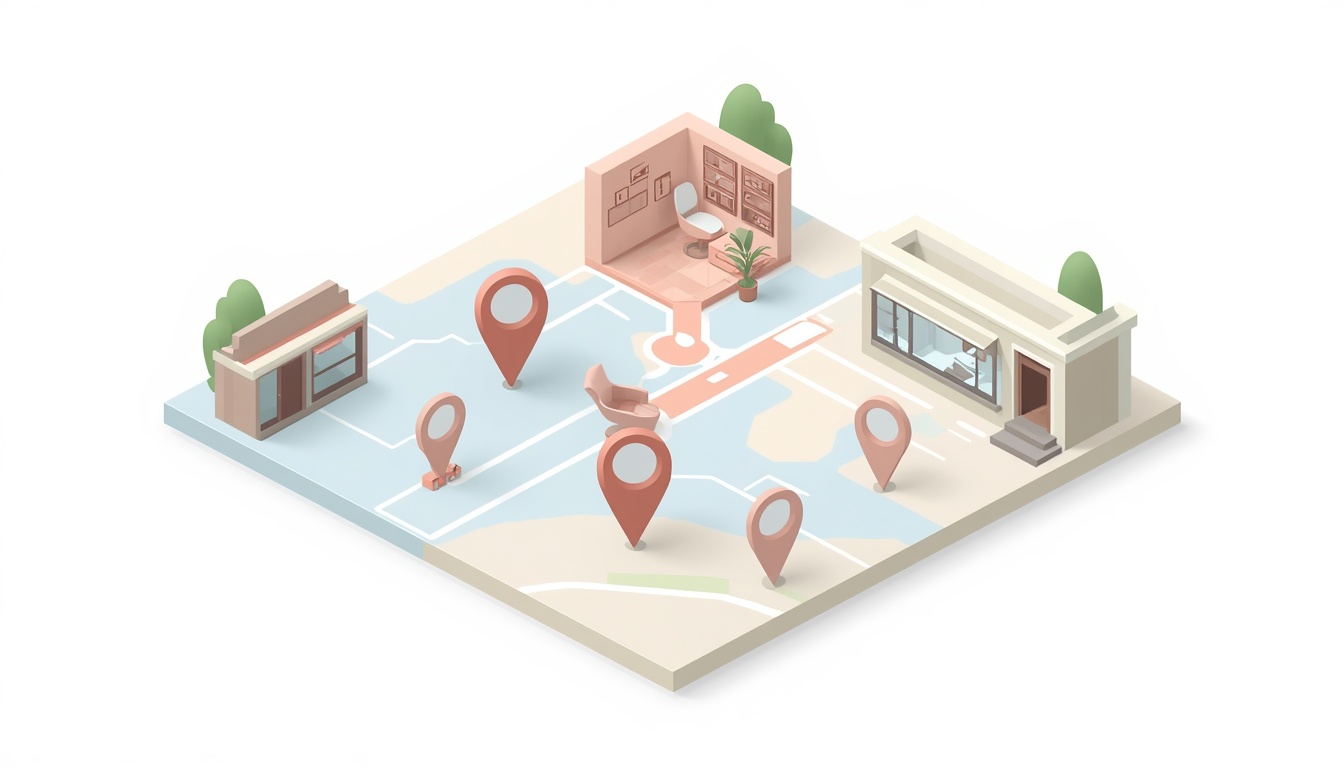
Local SEO for salons and clinics is not just a list of nearby place names. Explain where the business is, how to reach it, what parking or transport options exist and which communities or neighbourhoods it realistically serves.
When there are multiple branches, create useful location pages with genuinely different information. A page for one salon may include its team, treatment menu, booking details and local access. Do not duplicate the same text and replace only the town name.
A business may serve clients from outside the immediate area for a specialist treatment. Explain that honestly instead of pretending to have a local branch everywhere. Clear location information improves the quality of enquiries.
Reduce friction between search and booking
Visitors often leave when the path from search to appointment is confusing. Review the booking process on a mobile phone as if you have never used the business before. Can you find a treatment, understand the duration, see the price or consultation requirement and choose a suitable time?
Keep calls to action specific. “Book a skin consultation”, “choose a nail appointment” or “contact the clinic” may be more useful than a generic “learn more”. Match the call to action to the visitor’s intent and the actual capacity of the business.
Make contact alternatives visible. Some clients prefer a booking system, while others need to ask a question before committing. Provide a phone or message route where the team can respond reliably. A contact option that is never monitored creates a poor experience.
Use content for questions that block appointments
Supporting content can answer practical concerns without replacing service pages. Examples include how to prepare for a facial, whether a patch test is required, what to expect from a massage, how long nail appointments take or what happens at an aesthetic consultation.
Choose questions the team actually hears. Receptionists and practitioners can identify repeated concerns, misunderstandings and reasons for cancelled appointments. Answer those questions in plain English and link to the relevant booking route.
Do not give medical diagnoses or individual treatment advice through a generic article. Explain the general process and tell the reader when they need a professional consultation.

Align content with real appointment capacity
Search visibility can create problems when the website promotes services that the business cannot currently deliver. Before prioritising a treatment page, check practitioner availability, room capacity, equipment, consultation requirements and the booking system. A page that generates enquiries for a fully booked service needs a clear waiting-list or alternative route.
Practitioner-led businesses should also connect content with the right person. A client may search for a treatment but need to know who performs it, what training or experience is relevant and whether an assessment is part of the process. Keep this information accurate and avoid implying that every practitioner offers every treatment.
Seasonal demand is another useful planning signal. A salon may need more visibility for occasion hair or nails at particular times, while a wellness business may see different demand after holidays or at the start of the year. Update availability and calls to action without creating thin temporary pages that remain live after the season ends.
When the team changes a service, price or treatment protocol, update the service page, booking system, Google Business Profile and any supporting article together. Consistent information reduces questions for reception and prevents a visitor from booking something that is no longer available.
Measure appointments, not just rankings
Search impressions show that a page is being discovered, but the business needs to know whether visibility produces suitable appointments. Track booking clicks, calls, contact forms, consultation requests and completed appointments where the systems allow.
Separate the service types. A page that generates many visits for a low-value query may not be as useful as one that brings a smaller number of clients for a specialist consultation. Review cancellations and no-shows as well as bookings, because unclear pages can create unsuitable appointments.
Google Search Console can help identify which queries and pages receive impressions and clicks. The Search Console resource explains how to review search performance. Combine that information with booking data and feedback from reception.

Common beauty and wellness SEO mistakes
Using one generic page for every treatment
Group related services sensibly, but give important treatments enough information for a visitor to decide whether to book.
Promising outcomes
Use accurate, responsible language, particularly for aesthetic and clinic services. Avoid guarantees that depend on the individual.
Hiding prices and booking conditions
Explain price guidance, deposits, consultation requirements and cancellation policies clearly enough to set expectations.
Creating copied location pages
Publish a local page when the business can add genuine location and service information, not just another place name.
Ignoring the mobile booking journey
Test the booking route on a phone and make sure calls, forms and booking buttons are monitored.
FAQs
What is SEO for beauty salons?
SEO for beauty salons is the process of improving a salon’s visibility for relevant treatment and local searches while helping visitors understand the service and book an appropriate appointment.
Does local SEO work for aesthetic clinics?
It can help an aesthetic clinic become more discoverable for relevant local searches. Content must be accurate, responsible and clear about consultations, suitability and realistic expectations.
Should every salon treatment have its own page?
Create a separate page when the treatment has distinct search intent, preparation, aftercare, consultation or booking information. Combine closely related variations when the content would otherwise be thin.
How should a salon measure SEO?
Measure relevant bookings, calls, consultation enquiries, completed appointments and service quality alongside impressions and clicks. Rankings alone do not show whether the business is attracting suitable clients.
Final thoughts
Good SEO for beauty salons connects local discovery with a confident booking decision. Build pages around real treatments, show accurate local information, make the mobile route simple and use reviews and customer questions to improve the experience. Visibility matters, but the best result is an appointment that suits both the client and the business.


