

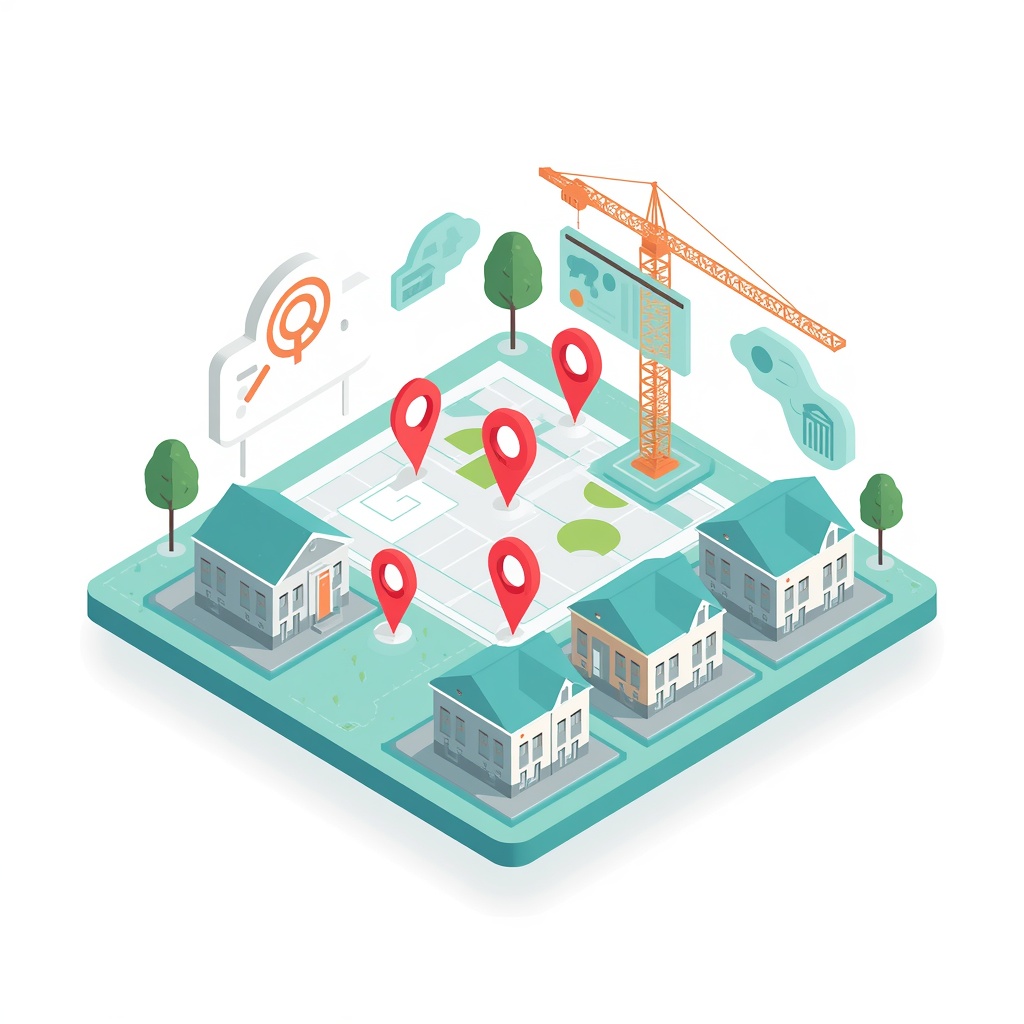
Property developers do not market the same thing as estate agents. An agent promotes a portfolio of properties and competes for instructions, while a developer needs search visibility for a specific project, location, phase, unit type or investment opportunity. That makes SEO for property developers a project-led discipline rather than a generic property marketing exercise.
A development website has to help several audiences at once. A buyer may be looking for a new home in a particular area. An investor may want to understand the scheme, delivery stage and opportunity. A planning or commercial audience may need information about the developer’s track record and capabilities. The structure should make those journeys clear without forcing every visitor through the same sales page.
This guide focuses on the search strategy behind development projects. It complements the wider SEO for real estate industry page and keeps estate-agent marketing separate from developer-led project SEO.
Start with the project, not a generic property keyword
Broad terms such as property SEO or real estate SEO describe a market, not a complete content plan. A developer usually needs visibility around a real project, a defined location and a particular audience. Start by mapping what is actually being promoted:
- the development name and its location;
- the type of homes, units or commercial space;
- the stage of the project, such as planning, launch, construction or completion;
- the action the visitor should take, such as register interest, request a brochure or arrange a consultation;
- the audience, including buyers, investors, landowners, partners or professional advisers.
This prevents the website from becoming a collection of vague pages about “quality homes” and “excellent opportunities”. Searchers need to understand what the development is, where it is, who it is for and what information is available now.

Create one strong project hub
Each major development should normally have a central project hub that acts as the source of truth. It can introduce the scheme, explain the location, show the current phase, outline available unit types and direct visitors to the next step. Supporting pages should make the hub stronger rather than compete with it.
A useful hub may include:
- a concise explanation of the development and its current status;
- the location and local context;
- the homes, units or plots available;
- plans, brochures, specifications and downloadable information where appropriate;
- construction or delivery updates that are genuinely current;
- a clear contact or registration route.
Keep the project name, address, terminology and status consistent across the website. If the scheme changes from a planning proposal to a live sales launch, update the core page rather than leaving several outdated versions indexed.
Build pages around the questions buyers actually ask
People searching for a new development need more than a list of features. They may want to know what types of homes are included, whether parking is available, what the local transport options are, how the buying process works, when completion is expected and whether the project is suitable for their circumstances.
Answer those questions in the project hub or in clearly linked supporting pages. Avoid creating a separate URL for every small variation unless the information is substantial and genuinely useful. A thin page for each bedroom count, block or plot can make the site harder to manage and may split signals that should support one stronger project page.
Where unit pages are appropriate, give each one a clear purpose. Include a plan, size, aspect, availability status and relevant specification without making promises that can change. If a unit is reserved or sold, update the page or explain its status rather than allowing old information to mislead visitors.

Use location content that explains the development
Location is central to property development search, but adding a town name to a page is not enough. Explain how the site connects with the surrounding area and why that context matters to the intended audience. Buyers may care about transport, amenities and everyday convenience. Investors may be more interested in demand, regeneration, employment or the development’s position within a wider growth area.
Keep local claims accurate and appropriately sourced. Do not make unsupported statements about schools, journey times, rental demand or future infrastructure. If the information is time-sensitive, add a date or link to an authoritative source. The location section should build confidence, not create a collection of claims that are difficult to maintain.
Developers with more than one scheme should give each project its own identity. A national development company page can introduce the portfolio, but it should link to project hubs that contain the detailed local information. This lets the website support both brand searches and project searches without making every scheme page identical.
Separate project stages and audiences
Search intent changes as a development moves forward. During planning, the audience may include local stakeholders, landowners, advisers and people looking for information about the proposal. During launch, buyers and investors may need specifications, pricing guidance and a registration route. During construction, visitors may want progress updates, expected completion information and practical next steps.
Reflect the stage in the content. Do not publish sales language for units that are not yet available, and do not leave a launch page unchanged after the scheme has moved into completion. A simple status label, last-updated date and clear explanation of what can be requested now can prevent confusion.
This approach also helps property development SEO because the page can respond to a real information need at each stage. The aim is not to keep every historic phrase visible forever; it is to keep the project’s current search journey accurate.

Make the registration journey proportionate
A developer may want to collect registrations before a launch or enquiries during a sales phase. The form should ask for enough information to support a useful response, but not so much that a potential buyer abandons it. Name, email, phone number, preferred property type and an optional message may be enough for an initial contact.
Explain what happens after registration. Will the person receive a brochure, a call from the sales team, an invitation to a preview event or updates when pricing is available? Be clear about communication preferences and handle personal data responsibly.
Different audiences may need different routes. A buyer can register interest in a home, while an investor may request a development overview or speak to a commercial contact. Landowners and professional partners should not be pushed into the same form as a prospective purchaser if the follow-up process is different.
Support trust with evidence, not slogans
Property is a high-consideration purchase, so the website needs evidence that the developer can deliver what it describes. Useful trust content may include completed projects, planning and delivery experience, professional team information, relevant accreditations, quality standards and clear explanations of the buying or development process.
Use genuine photographs and project information where permission allows. If an image is a CGI visualisation, label it appropriately. Do not present an artist’s impression as a completed building or imply a specification that has not been confirmed.
Testimonials and case studies should identify the context without exposing private information. A short case study explaining the challenge, the development approach and the outcome can be more useful than a page of general statements about excellence.

Give technical SEO a project-level purpose
Technical foundations matter when a site contains multiple developments, phases, unit pages, PDFs and image-heavy galleries. Check that important pages can be crawled, that canonical signals are consistent, that old project URLs are redirected appropriately and that PDFs do not become the only place where essential information is available. Google’s search crawling and indexing documentation is a useful reference for the foundations.
Use descriptive page titles and headings based on the project, location and purpose. Make important information available as HTML as well as in downloadable brochures. Optimise images without removing the detail that helps a buyer understand the scheme, and test the site on mobile where registration forms and property galleries can become difficult to use.
Structured data can support clear entities such as organisations, webpages and relevant property information when implemented accurately. It should describe what is on the page, not add claims that visitors cannot verify.
Use content to support the commercial opportunity
Search content can reach people before they know the development name. A developer might create useful articles about buying a new-build home in the area, understanding the local planning context, preparing for a new-home purchase or comparing property types within the scheme. Each piece should connect to a relevant project page without becoming a thin sales advert.
Do not publish generic articles solely to target SEO for property developers. A useful content plan should answer real questions from buyers, investors, landowners or professional partners and should be reviewed when the project, market or planning status changes.
For broader commercial visibility, related searches such as SEO for real estate, real estate SEO services and property SEO can inform the developer’s overall strategy. They should not all be assigned to the same project page. The project hub owns the development intent, while broader service or industry pages can explain the wider capability.
Measure project enquiries and search quality
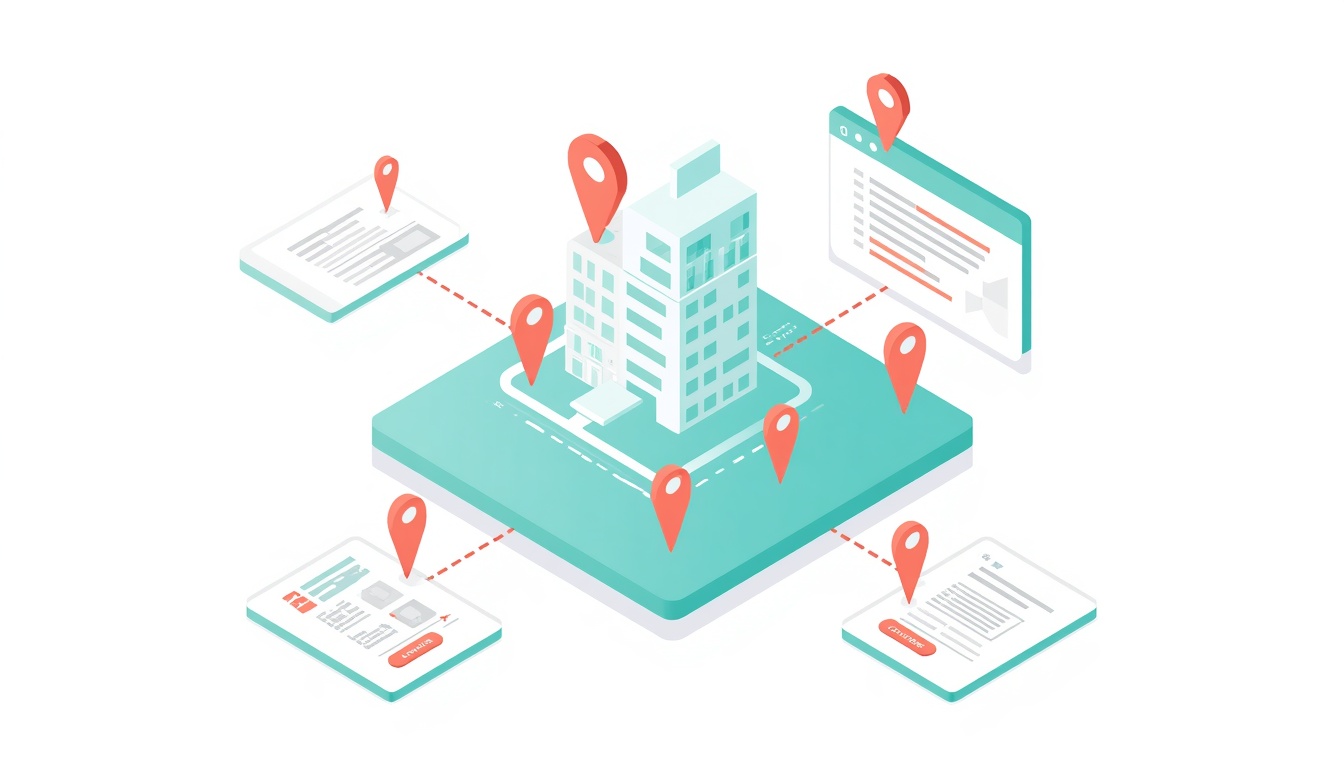
Search Console can show whether the site is gaining impressions for project, location and property terms. The latest GSC data includes seo for property developers, property development seo, property seo, seo for real estate and real estate seo. These terms indicate an opportunity, but they are not the final measure of success.
Track registrations, brochure downloads, viewing requests, calls, investor enquiries and partner contacts. Where possible, record the project and audience behind each lead. A page with modest traffic but several qualified registrations may be performing better than a high-traffic article that produces no useful action.
Use the data to improve the project journey. If people reach the page but do not register, clarify the next step. If a page attracts searches for a phase that has closed, update the status and guide the visitor to the current opportunity. If buyers ask the same question repeatedly, answer it on the page instead of relying on the sales team to repeat it. Google’s Search Console resource can help the team review the queries and pages behind those visits.

Common SEO mistakes for property developers
Putting every project on one generic page
A portfolio page is useful for discovery, but each substantial development needs a page with its own location, status, audience and contact route.
Publishing thin plot pages
Only create unit or plot pages when they contain useful, maintained information. Otherwise, consolidate the details into a stronger project hub.
Leaving completed projects unchanged
Update the status, preserve useful history and redirect pages where necessary. An outdated launch message can damage trust and waste search demand.
Relying on brochures for essential information
PDFs can be valuable supporting assets, but key project, location and contact information should also be available in crawlable HTML.
FAQs
What is SEO for property developers?
SEO for property developers is the process of improving search visibility for development projects, locations, property types and the audiences involved in a scheme. It combines project structure, technical foundations, useful content and measurable enquiry journeys.
Should every development have its own website?
Not always. A substantial project may benefit from a dedicated domain or microsite, while another can perform well as a strong section within the developer’s main website. The decision should reflect the project’s scale, lifespan, audience and maintenance resources.
What keywords should property developers target?
Start with the project name, location, development type, property type and the questions audiences ask at the current stage. Broader terms such as property SEO or real estate SEO can support the wider strategy, but they should not replace specific project intent.
How can a developer generate more project enquiries from Google?
Create a clear project hub, explain the current stage, answer buyer or investor questions, provide credible evidence and make registration or contact easy. Measure qualified enquiries and update the page as the development changes.
Final thoughts
Effective developer SEO follows the life of a project. It gives each development a clear search identity, keeps location and stage information accurate, supports different audiences and makes the next step easy when someone is ready to enquire.
For the wider industry strategy, see the SEO for real estate page.
Related guides: Google Business Profile for estate agents.


