

Best SEO Keyword Research Tools Compared for 2026
Good keyword research is the foundation of any SEO strategy worth having. Without it, you’re optimising for guesswork — writing content that nobody is searching for, or targeting phrases so competitive that ranking for them is unrealistic. The right tools make the process faster, more accurate, and considerably more useful.
This guide covers the best SEO tools for keyword research in 2026 — what each one does well, who it’s suited to, and where the free options genuinely hold up against the paid alternatives.
What is Keyword Research?
Keyword research is the process of identifying the words and phrases people type into search engines when looking for products, services, or information. The aim is to find terms that are relevant to your business, have meaningful search volume, and sit at a realistic level of competition for your site to rank.
In 2026, effective keyword research goes beyond volume and difficulty scores. You also need to understand search intent — whether a query is informational, navigational, commercial, or transactional — because matching content type to intent is now as important as targeting the right keyword. A page optimised for the right keyword but the wrong intent will struggle to rank regardless of its quality.
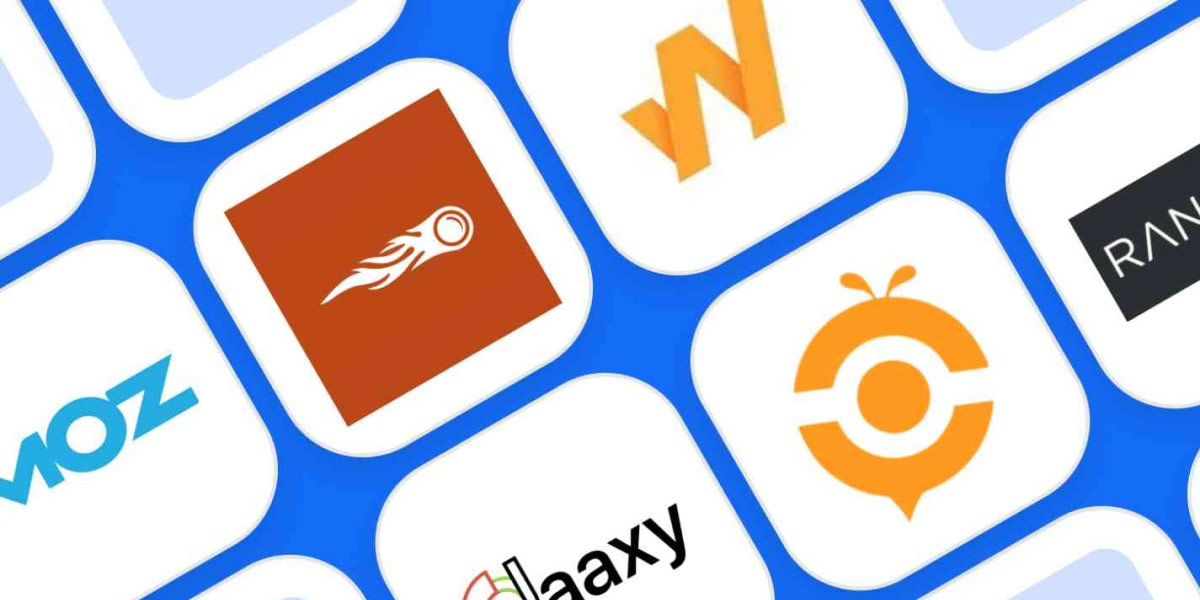
The Best SEO Keyword Research Tools — 2026 Comparison
The Benefits of Keyword Research
Done properly, keyword research delivers three things that matter directly to business outcomes:
- Understanding your audience: The language your potential customers use to search for products or services is a direct window into how they think about their problem. Keyword data tells you what they want, how they phrase it, and at what stage of the buying journey they’re searching.
- Improving rankings: Optimising your content for terms with genuine search demand — rather than terms you assume are popular — is what connects your pages to the people actually searching for them.
- Driving qualified traffic: Targeting the right mix of high-volume head terms and specific long-tail keywords attracts visitors who are more likely to convert, not just more visitors. For more on organic traffic and how to build it sustainably, see our dedicated guide.

Why Keyword Research Matters — Benefits for SEO and Business
The Best SEO Tools for Keyword Research in 2026
| Tool | Best For | Free? |
|---|---|---|
| Google Keyword Planner | Volume data straight from Google; essential for PPC, useful as a free baseline for SEO | ✓ Free |
| Ahrefs | Comprehensive keyword database, competitor gap analysis, SERP analysis, and content ideas | Paid (limited free) |
| Semrush | All-in-one keyword research, competitive intelligence, and search intent filtering | Paid (limited free) |
| Moz Keyword Explorer | Keyword difficulty scoring and SERP analysis; good for agencies already using Moz Pro | Paid (10 free/month) |
| Ubersuggest | Budget-friendly option covering keyword ideas, competitor analysis, and site audit | Paid (limited free) |
| Keyword Tool | Generating keyword suggestions across Google, YouTube, Bing, Amazon, and App Store | Free (basic) / Paid |
| SpyFu | Competitor keyword research — see exactly what any competitor ranks for organically and in paid search | Paid (limited free) |
| Answer the Public | Visualising questions and prepositions around a topic — excellent for content ideation and FAQ research | Free (limited) / Paid |
| Google Trends | Tracking keyword popularity over time and identifying seasonal or emerging trends | ✓ Free |
| Serpstat | Mid-market all-in-one platform; competitive pricing for keyword research, rank tracking, and site audit | Paid (limited free) |
| Keyword Surfer | Quick in-SERP volume and CPC data without leaving Google — useful as a lightweight free add-on | ✓ Free (Chrome ext.) |
| Long Tail Pro | Finding low-competition long-tail keywords — well-suited to niche sites and affiliate content | Paid |
| KWFinder | Clean interface with accurate difficulty scores; a solid affordable alternative to Ahrefs/Semrush | Paid (limited free) |
| Keywords Everywhere | Browser extension showing volume, CPC, and competition data across Google, YouTube, Amazon, and more | Credit-based (low cost) |
| Majestic | Primarily a backlink tool — keyword data is secondary, but useful within an existing Majestic workflow | Paid (limited free) |

Best SEO Keyword Research Tools in 2026 — Full Comparison
Which Tools Are Worth Paying For?
The free tools — particularly Google Keyword Planner, Google Trends, and Google Search Console — give you data straight from the source and are genuinely useful for foundational research. But they have significant limitations: Keyword Planner rounds search volumes to broad ranges unless you’re running active ad campaigns, Trends shows relative popularity rather than absolute volume, and Search Console only shows data for your own site.
For serious keyword research, the two platforms that consistently lead the field are Ahrefs and Semrush. Both offer the largest keyword databases, the most accurate difficulty scoring, and the most useful competitor intelligence features. Ahrefs tends to be preferred for backlink analysis and content research; Semrush edges ahead for PPC data and its breadth of additional tools. Either represents a significant step up from free alternatives.
KWFinder is worth a mention as the strongest affordable alternative — accurate difficulty scores, a clean interface, and a pricing tier significantly below Ahrefs or Semrush. A good starting point for smaller sites or those not yet ready to commit to a professional platform.
For quick, in-browser research without switching tools, Keywords Everywhere and Keyword Surfer are useful complements rather than standalone solutions.
Keyword Research and Search Intent in 2026
Volume and difficulty metrics only tell part of the story. Before targeting any keyword, check the actual SERP: what type of content is Google ranking for that query? If the top results are all product pages, a blog post won’t rank there — regardless of how well it’s optimised. If the results are all comparison articles, a product page won’t rank either.
Tools like Semrush now include intent classification (informational, navigational, commercial, transactional) alongside volume data, which speeds this process up considerably. For a deeper look at how to use keyword research effectively within a broader SEO strategy, see our guide to on-page optimisation and our overview of SEO best practices.
Conclusion
There’s no single best keyword research tool — the right choice depends on your budget, the size and complexity of your site, and how deeply you need to analyse competitor data. Start with the free tools (Google Keyword Planner, Google Trends, Google Search Console) to cover the basics, and invest in Ahrefs or Semrush when you need a more complete picture. Whatever tools you use, the fundamentals don’t change: find keywords with real demand, realistic competition, and the right intent match for the content you can credibly produce.
FAQs
What is keyword research and why does it matter for SEO?
Keyword research is the process of identifying the search terms your target audience uses to find products, services, or information online. It matters because targeting the right keywords — with the right intent match — is what connects your pages to people who are actively searching for what you offer.
What is the best free keyword research tool?
Google Keyword Planner remains the most authoritative free option, as it pulls data directly from Google. For broader keyword discovery, Google Search Console (for your own site’s ranking data) and Google Trends (for tracking popularity over time) are equally essential and completely free.
What is the difference between short-tail and long-tail keywords?
Short-tail keywords are short, broad terms (one to two words) with high search volume and strong competition — for example, “SEO services.” Long-tail keywords are longer and more specific — for example, “affordable SEO services for small businesses London.” They have lower volume but less competition and typically higher conversion rates because the searcher’s intent is clearer.
How can keyword research improve my content strategy?
Keyword research reveals what your audience actually wants to know — not what you assume they want. By mapping keywords to specific content types and stages of the buying journey, you can create content that ranks, attracts the right visitors, and supports conversion rather than just generating traffic.
How often should I do keyword research?
Keyword research is not a one-off task. Search behaviour shifts, competitors enter your space, and Google’s understanding of queries evolves. Review your keyword strategy at least quarterly, and revisit it whenever you’re planning a significant piece of content or noticing a drop in rankings for key terms.
Are there keyword research tools for local SEO?
Google Keyword Planner allows location filtering, which helps with local keyword research. Semrush and Ahrefs both support local keyword tracking. For local citation and listing management, tools like BrightLocal provide additional local-specific data that standard keyword tools don’t cover. See also our guide to local SEO services.
Can keyword research be used for PPC?
Yes — keyword research is just as important for PPC as for organic SEO, perhaps more so given that you pay for every click. Google Keyword Planner is specifically designed for this use case. Semrush and SpyFu both include paid search data alongside organic, making them particularly useful for campaigns that run across both channels.
How do I measure whether my keyword research is working?
Track keyword rankings over time using a rank tracking tool (Semrush, Ahrefs, or SE Ranking all do this well), monitor organic traffic via Google Analytics 4, and review impressions and click-through rates in Google Search Console. Ranking movement, traffic growth, and ultimately conversion rate are the metrics that tell you whether your keyword strategy is translating into business results.
Is it possible to do keyword research without paid tools?
Yes, though with limitations. Google Keyword Planner, Google Trends, Google Search Console, Answer the Public (free tier), and Keyword Surfer (free Chrome extension) collectively cover the basics at no cost. For competitive analysis and accurate difficulty scoring, however, a paid tool makes a meaningful difference to the quality of your research.


